ASBM Urges CO PDAB to Reject Upper Payment Limits Without Patient Protections

On May 15, ASBM submitted comments to the Colorado Prescription Drug Affordability Board urging it not to impose an upper payment limit (UPL) on Cosentyx unless the Board can demonstrate that the policy will directly reduce patient out-of-pocket costs without disrupting access to treatment. ASBM emphasized that a UPL would reduce the amount paid by […]

ASBM Submits Comments to FDA on Biosimilar Draft Guidance

On May 11th, ASBM submitted comments on the FDA’s recently released draft guidance and Q&As aimed at “streamlining” biosimilar development by permitting the use of data from non-U.S.-licensed comparator products and foreign clinical studies in the U.S. biosimilar approval process. While efficiency is important, ASBM is concerned that these changes may lower evidentiary standards in […]

CO Bills Address Compounding Risks and Patient Safety

ASBM recently engaged on two bills in Colorado addressing oversight of drug compounding and patient safety. The organization supports SB 26-130, which adds targeted safeguards for med spas and other settings handling prescription drugs, helping ensure that these products are stored, handled, and administered safely. At the same time, ASBM opposes HB 26-1262, which would […]

Take Action: Support the MINI Act to Protect Patient Access to Genetic Therapies

Congress is considering the Maintaining Investments in New Innovation Act (MINI Act) [HR 1672], legislation to protect patient access to genetically targeted therapies (GTTs)—innovative treatments designed to address the underlying genetic causes of serious diseases. Under current law, some of these therapies may face Medicare price controls earlier than similarly complex treatments, simply due to […]

Tell Congress: Support the SAFE Drugs Act

ASBM is urging Congress to pass the SAFE Drugs Act of 2026, legislation designed to strengthen oversight of unsafe, unapproved, and mass-marketed copycat medicines. Pharmacy compounding plays an important and legitimate role in patient care when FDA-approved therapies are unavailable or when a patient has a specific clinical need that cannot be met by an […]

ASBM Statement on FDA Commissioner’s Comments Regarding Compounded Medicines

February 6, 2026 The Alliance for Safe Biologic Medicines (ASBM) welcomes FDA Commissioner Marty Makary’s comments on the social media platform X affirming that “the FDA cannot verify the quality, safety, or effectiveness of non-approved drugs” and warning that the agency will “take swift action against companies mass-marketing illegal copycat drugs.” These remarks accurately reflect […]

ASBM Opposes CA Bill to Permit Pharmacy Substitution of Non-Interchangeable Biosimilars

ASBM recently submitted a letter opposing California Senate Bill 1094, which would permit generic-style pharmacy-level substitution of non-interchangeable biosimilars. While biosimilars are safe and effective, they are not generics—and substitution decisions for biologics should remain grounded in evidence, physician judgment, and patient-specific considerations.  California’s current framework appropriately allows substitution only for biosimilars that meet the […]

ASBM in GaBI Journal: “Biosimilars—Still Safe, Still Effective, Still Not Generics. Why Is FDA Pretending They Are?”

On January 12, the Brussels-based GaBI Journal published an editorial by ASBM Executive Director Michael Reilly, Advisory Board Chair Philip Schneider, and Steering Committee member Andrew Spiegel examining an abrupt and troubling shift in U.S. biosimilars policy. In the article, the authors argue that while biosimilars have consistently demonstrated safety and effectiveness, they are not […]

ASBM Submits Comments on FDA Draft Guidance Reducing the Role of Comparative Efficacy Studies in Biosimilar Approvals

On January 20, ASBM submitted formal comments to the U.S. Food and Drug Administration on the agency’s October 2025 draft guidance, Scientific Considerations in Demonstrating Biosimilarity to a Reference Product: Updated Recommendations for Assessing the Need for Comparative Efficacy Studies. In the comments, ASBM supports FDA’s recognition that comparative analytical assessments (CAA) have become increasingly […]

Experts Examine 340B Program, Reform Efforts in ASBM/GCCA Webinar

On December 12th, ASBM and the Global Colon Cancer Association (GCCA) hosted a one-hour webinar discussing the 340B Drug Discount Program, a federal program designed to help hospitals and clinics serving patients in need. The webinar, entitled “Reforming 340B: Ensuring the Discount Program Delivers for Patients” discussed how the program has strayed from its original mission- […]

MFN: Medicines For No-One

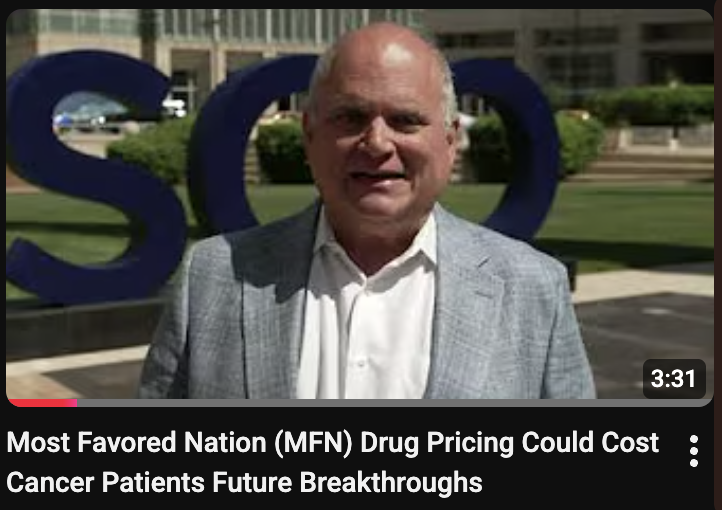
What is MFN?—Why It’s a Threat to Patients The Most Favored Nation (MFN) drug pricing policy ties U.S. medicine prices to those in countries with strict government price controls. This may sound like a win for patients, but MFN imports the very systems that limit access, delay innovation, and lead to higher death rates abroad—especially […]

ASBM Comments Urge EMA Not to Abandon Clinical Data in Biosimilar Approvals

On April 30, ASBM submitted comments to the European Medicines Agency’s (EMA’s) Committee for Medicinal Products for Human Use (CHMP) as part of a public consultation period on the Agency’s “Concept paper for the development of a Reflection Paper on a tailored clinical approach in Biosimilar development”. The document expresses the EMA’s intent to streamline biosimilar development by […]

More News
ASBM Urges CO PDAB to Reject Upper Payment Limits Without Patient Protections

ASBM Urges CO PDAB to Reject Upper Payment Limits Without Patient Protections

On May 15, ASBM submitted comments to the Colorado Prescription Drug Affordability Board urging it not to impose an upper payment limit (UPL) on Cosentyx unless the Board can demonstrate that the policy will directly reduce patient out-of-pocket costs without disrupting access to treatment. ASBM emphasized that a UPL would reduce the amount paid by […]

ASBM Submits Comments to FDA on Biosimilar Draft Guidance

ASBM Submits Comments to FDA on Biosimilar Draft Guidance

On May 11th, ASBM submitted comments on the FDA’s recently released draft guidance and Q&As aimed at “streamlining” biosimilar development by permitting the use of data from non-U.S.-licensed comparator products and foreign clinical studies in the U.S. biosimilar approval process. While efficiency is important, ASBM is concerned that these changes may lower evidentiary standards in […]

Take Action: Support the MINI Act to Protect Patient Access to Genetic Therapies

Take Action: Support the MINI Act to Protect Patient Access to Genetic Therapies

Congress is considering the Maintaining Investments in New Innovation Act (MINI Act) [HR 1672], legislation to protect patient access to genetically targeted therapies (GTTs)—innovative treatments designed to address the underlying genetic causes of serious diseases. Under current law, some of these therapies may face Medicare price controls earlier than similarly complex treatments, simply due to […]

Tell Congress: Support the SAFE Drugs Act

Tell Congress: Support the SAFE Drugs Act

ASBM is urging Congress to pass the SAFE Drugs Act of 2026, legislation designed to strengthen oversight of unsafe, unapproved, and mass-marketed copycat medicines. Pharmacy compounding plays an important and legitimate role in patient care when FDA-approved therapies are unavailable or when a patient has a specific clinical need that cannot be met by an […]

CO Bills Address Compounding Risks and Patient Safety

CO Bills Address Compounding Risks and Patient Safety

ASBM recently engaged on two bills in Colorado addressing oversight of drug compounding and patient safety. The organization supports SB 26-130, which adds targeted safeguards for med spas and other settings handling prescription drugs, helping ensure that these products are stored, handled, and administered safely. At the same time, ASBM opposes HB 26-1262, which would […]

ASBM Opposes CA Bill to Permit Pharmacy Substitution of Non-Interchangeable Biosimilars

ASBM Opposes CA Bill to Permit Pharmacy Substitution of Non-Interchangeable Biosimilars

ASBM recently submitted a letter opposing California Senate Bill 1094, which would permit generic-style pharmacy-level substitution of non-interchangeable biosimilars. While biosimilars are safe and effective, they are not generics—and substitution decisions for biologics should remain grounded in evidence, physician judgment, and patient-specific considerations.  California’s current framework appropriately allows substitution only for biosimilars that meet the […]

Biosimilars 101

Biologic medicines are used to treat millions of patients with serious illnesses like cancer, arthritis, and psoriasis. The patents for many biologic therapies are expiring, and biosimilars are entering the marketplace. These give patients new treatment options, and reduce costs through competition. Regulatory authorities around the world have put policies in place to ensure that biosimilars have been appropriately tested, and are safe and effective for patients.

Non-Medical Switching
Non-Medical Switching is when a patient is switched from one biologic medicine (either an originator product or a biosimilar) to another product- not for reasons of health or safety but for economic reasons. This is often done by a third party such as a private insurer, a pharmacy-benefit manager, or a government agency in order to save money, increase profits, or because of a deal made with a particular manufacturer. This practice is controversial among patients and physicians because treatment decisions are not "one size fits all". Many patients try several biologic medicines until they find one that stabilizes their condition; physicians generally oppose the unnecessary switching of medicines for stable patients.

Member Partners

The Alliance for Safe Biologic Medicines (ASBM) is a diverse coalition of stakeholders, including physicians, pharmacists, patient advocates, researchers, and biopharmaceutical manufacturers. Since 2010, ASBM has worked with regulators worldwide to shape policies that reflect the best interests of patients, ensuring access to lifesaving and life-enhancing medicines while fostering innovation in healthcare.

logo logo logo